
Spruce Tip Wine
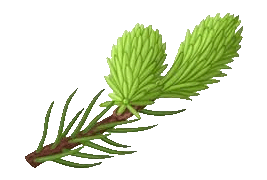
Spruce tips have been used for centuries across northern Europe and North America to produce refreshing drinks, beers and wines. The bright green spring growth contains delicate aromatic compounds that create a remarkably fruity flavour, despite coming from an evergreen tree. Unlike pine needle wine, spruce tip wine is generally softer and more citrus-forward, with many winemakers detecting notes of lemon, grapefruit, green apple and even young pineapple. This makes it one of the most surprising and enjoyable wines in the Herbs & Leaves Collection. Because only the soft new growth is used, responsible harvesting is important. Taking a few tips from many branches rather than many tips from one branch helps ensure the continued healthy growth of the tree.
At a glance
About this wine
Spruce tips have been used for centuries across northern Europe and North America to produce refreshing drinks, beers and wines. The bright green spring growth contains delicate aromatic compounds that create a remarkably fruity flavour, despite coming from an evergreen tree.
Unlike pine needle wine, spruce tip wine is generally softer and more citrus-forward, with many winemakers detecting notes of lemon, grapefruit, green apple and even young pineapple. This makes it one of the most surprising and enjoyable wines in the Herbs & Leaves Collection.
Because only the soft new growth is used, responsible harvesting is important. Taking a few tips from many branches rather than many tips from one branch helps ensure the continued healthy growth of the tree.
Ingredients
- Approximately 300 gm fresh spruce tips
- 2.0–2.25 lb (900 g–1.0 kg) white sugar
- Water (to make up to 1 UK gallon (4.5 L))
- Juice of 1 lemon
- Juice of 1 orange
- Finely pared zest of 1 lemon
- Finely pared zest of 1 orange
- 1 tsp yeast nutrient
- 1 Campden tablet (optional)
Wine yeast (half packet recommended)
- Lalvin QA23 (highly recommended)
- Lalvin 71B
- EC-1118
Optional Ingredients
- 75–100 g raisins
- 1 tsp glycerine after fermentation
Equipment
- The following equipment is recommended to make this 1 Gallon.
- Sanitising fluid,
- 2 gallon Fermenting bucket,
- Demijohn,
- Hydrometer,
- Syphon tube,
- Air lock,
- Rubber bung,
- Measuring cups,
- Muslin bag,
- Thermometer,
- Extra long stirring spoon,
- Kitchen scales,
- Campden tablets
Preparation
- Harvest the soft spring tips on a dry morning.
- Rinse thoroughly in cool water.
- Remove any twigs or pieces of bark.
- Chop the tips roughly if they are particularly long.
- Handle the tips gently to preserve their delicate aromatic oils.
Method
- Pour the hot spruce infusion into a sanitised fermentation bucket.
- Dissolve the sugar into the infusion.
- Add the citrus juice and zest.
- Top up with cool water to reach 1 UK gallon (4.5 L).
- Allow to cool below 25°C (77°F).
- Add: Yeast nutrient Crushed Campden tablet (if using)
- Cover and leave for 24 hours if Campden was added.
- Add the yeast and stir thoroughly.
- Siphon into a sterilised demijohn.
- Fit an airlock.
- Top up if necessary.
Fermentation notes
Primary Fermentation
Ferment for 5–7 days.
Stir gently once daily.
Maintain 18–22°C.
The aroma becomes increasingly fruity during fermentation.
Secondary Fermentation
Allow fermentation to continue for approximately 3–5 weeks.
Rack whenever sediment reaches around 1–2 cm.
Clearing & ageing notes
Once fermentation has finished
Leave to clear for 2 months
Rack again if necessary.
Bottle when brilliantly clear.
Spruce tip wine is best enjoyed while its fresh woodland aromas remain vibrant.
Minimum aging: 6 months
Ideal aging: 9–15 months
Peak drinking: 1–3 years
Tips & notes
Tips for Better Spruce Tip Wine
- Harvest only the soft spring tips.
- Norway Spruce produces particularly elegant wines.
- Keep the infusion covered while steeping.
- QA23 yeast preserves the bright citrus aromas exceptionally well.
- Harvest sparingly from each tree to avoid damaging new growth.
- Bottle while the wine is still youthful and aromatic.
Common Mistakes to Avoid
- Harvesting hardened mature needles.
- Misidentifying the tree species.
- Boiling the tips vigorously.
- Taking excessive new growth from a single tree.
- Drinking immediately after fermentation.
Serving suggestions
- Serve well chilled (8–10°C)
- Excellent with smoked salmon, trout and seafood
- Pairs beautifully with goat's cheese and fresh cheeses
- Complements grilled chicken and light summer salads
- Delicious with lemon cheesecake, citrus tart or fresh berries
Storage & ageing
- Best consumed within 3 years
- Store in a cool, dark place
- Best drinking window: 9 months–3 years
- Designed to retain its bright woodland freshness
FAQs
Does spruce tip wine taste like Christmas trees? No. It develops bright citrus, green apple and gentle woodland notes with only a subtle resinous background.
Can I use mature spruce needles? No. Only the soft spring tips produce the delicate flavours that make this wine distinctive.
Can I freeze spruce tips? Yes. Freezing freshly harvested tips preserves them very well until you're ready to make the wine.
Why is identification important? Correct identification is essential because some evergreen species are unsuitable or poisonous. Only harvest from trees you can identify with complete confidence.
How long should I age spruce tip wine? Six to fifteen months is ideal. It is best enjoyed while its bright citrus and woodland aromas remain fresh.