
Rosemary Wine
Rosemary has symbolised remembrance and hospitality since ancient times and has been cultivated in Britain for hundreds of years. Its distinctive fragrance has made it a favourite culinary and medicinal herb, while traditional country winemakers discovered that its aromatic oils could also produce a unique and rewarding wine. Unlike many herb wines, rosemary wine benefits from moderate bottle aging. During maturation, the stronger resinous notes soften, allowing subtle flavours of citrus peel, pine, honey and wildflowers to emerge. The finished wine is elegant, refreshing and particularly well suited to savoury foods.
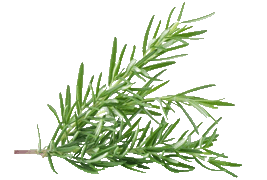
At a glance
About this wine
Rosemary has symbolised remembrance and hospitality since ancient times and has been cultivated in Britain for hundreds of years. Its distinctive fragrance has made it a favourite culinary and medicinal herb, while traditional country winemakers discovered that its aromatic oils could also produce a unique and rewarding wine.
Unlike many herb wines, rosemary wine benefits from moderate bottle aging. During maturation, the stronger resinous notes soften, allowing subtle flavours of citrus peel, pine, honey and wildflowers to emerge. The finished wine is elegant, refreshing and particularly well suited to savoury foods.
Ingredients
- Approximately 120–150 gm fresh rosemary sprigs (yielding around 75–100 g of leaves after stripping)
- 2.0–2.25 lb (900 g–1.0 kg) white sugar
- Water (to make up to 1 UK gallon (4.5 L))
- Juice of 2 lemons
- Juice of 1 orange
- Finely pared zest of 1 lemon
- Finely pared zest of 1 orange
- 1 tsp yeast nutrient
- 1 Campden tablet (optional)
Wine yeast (half packet recommended)
- Lalvin QA23 (highly recommended)
- Lalvin D47
- EC-1118
Optional Ingredients
- 75–100 g raisins (for additional body)
- 1 tsp glycerine after fermentation
Equipment
- The following equipment is recommended to make this 1 Gallon.
- Sanitising fluid,
- 2 gallon Fermenting bucket,
- Demijohn,
- Hydrometer,
- Syphon tube,
- Air lock,
- Rubber bung,
- Measuring cups,
- Muslin bag,
- Thermometer,
- Extra long stirring spoon,
- Kitchen scales,
- Campden tablets
Preparation
- Harvest the rosemary on a dry morning.
- Shake gently to remove insects.
- Rinse briefly if necessary.
- Strip the leaves from the thicker woody stems.
- Using mostly leaves gives a cleaner, more refined wine.
Method
- Pour the hot rosemary infusion into a sanitised fermentation bucket.
- Dissolve the sugar into the infusion.
- Add the citrus juice and zest.
- Top up with cool water to reach 1 UK gallon (4.5 L).
- Allow to cool below 25°C (77°F).
- Add: Yeast nutrient Crushed Campden tablet (if using)
- Cover and leave for 24 hours if Campden was added.
- Add the yeast and stir thoroughly.
- Siphon carefully into a sterilised demijohn.
- Fit an airlock.
- Top up if required.
Fermentation notes
Primary Fermentation
Ferment for 5–7 days.
Stir gently once daily.
Maintain 18–22°C.
The stronger herbal aroma gradually mellows during fermentation.
Secondary Fermentation
Allow fermentation to continue for approximately 3–5 weeks.
Rack whenever sediment reaches around 1–2 cm.
Clearing & ageing notes
Once fermentation has finished
Leave to clear for 2–3 months
Rack again if necessary.
Bottle when brilliantly clear.
Rosemary wine benefits from a little more aging than mint or lemon balm.
Minimum aging: 6 months
Ideal aging: 9–18 months
Peak drinking: 1–3 years
Tips & notes
Tips for Better Rosemary Wine
- Use fresh rosemary rather than dried whenever possible.
- Strip away the thicker woody stems.
- Cover the infusion while steeping to preserve the aromatic oils.
- QA23 yeast helps retain the wine's fresh herbal character.
- Less rosemary is often better than too much.
- Give the wine at least six months before opening.
Common Mistakes to Avoid
- Using excessive rosemary.
- Boiling the herb vigorously.
- Including too much woody stem.
- Using old, dried-out sprigs.
- Drinking immediately after bottling.
Serving suggestions
- Serve lightly chilled (10–12°C)
- Excellent with roast lamb, chicken and pork
- Pairs beautifully with mature Cheddar, Manchego and Pecorino
- Complements roasted Mediterranean vegetables and herb-roasted potatoes
- Ideal with focaccia, olives and antipasti
Storage & ageing
- Improves for up to 3 years
- Store in a cool, dark place
- Best drinking window: 9 months–3 years
- Gains smoothness throughout its first year in bottle
FAQs
Does rosemary wine taste like roast dinners? No. Fermentation softens the herb considerably, producing a refined wine with gentle pine, citrus and floral notes rather than the intense flavour associated with cooking.
Can I use dried rosemary? Yes, but fresh rosemary produces a brighter and more aromatic wine. If using dried rosemary, reduce the quantity because the flavour is more concentrated.
Why should I strip the leaves from the stems? The leaves contain the desirable aromatic oils, while thick woody stems can contribute bitterness.
Can I freeze rosemary? Yes. Fresh rosemary freezes very well and retains much of its aroma for later winemaking.
How long should I age rosemary wine? At least six months, with 9–18 months producing the most balanced results