
Vermouth
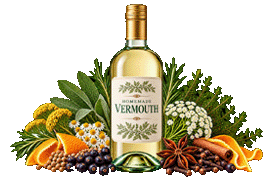
Crafted by hand in small batches, this artisanal vermouth reimagines the ancient European tradition of fortified, botanical wines. Starting with a crisp, high-acid white wine base, the blend is carefully fortified with clean spirits to preserve its structure and lock in a complex matrix of hand-selected botanicals. Vermouth gives a vibrant greeting of bright citrus zest, warm cinnamon, and delicate floral top notes. It has beautifully layered complexity where the initial sweetness of caramelized sugar meets a deep, warming spice blend and gives a clean, sophisticated, and lingering herbal bitterness driven by traditional wormwood, designed to perfectly stimulate the palate.
At a glance
About this wine
Crafted by hand in small batches, this artisanal vermouth reimagines the ancient European tradition of fortified, botanical wines. Starting with a crisp, high-acid white wine base, the blend is carefully fortified with clean spirits to preserve its structure and lock in a complex matrix of hand-selected botanicals. Vermouth gives a vibrant greeting of bright citrus zest, warm cinnamon, and delicate floral top notes. It has beautifully layered complexity where the initial sweetness of caramelized sugar meets a deep, warming spice blend and gives a clean, sophisticated, and lingering herbal bitterness driven by traditional wormwood, designed to perfectly stimulate the palate.
Ingredients
- Base wine: 1 bottle (750ml) of a fresh, un-aged dry white wine like Pinot Grigio or Chardonnay.
- Bitter herb: 1/2 teaspoon of dried wormwood (Artemisia), which is the defining ingredient of vermouth.
- Other herbs: Chamomile, cinnamon, cardamom, vanilla bean, and citrus peels (orange and lemon).
- Fortifying spirit: 3 to 8 ounces of vodka, brandy, or sherry to boost the alcohol content.
- Sweetener: Caramelized sugar syrup or honey to balance the bitterness.
Equipment
- Sterilising liquid
- Large (2 litre) KIlner jar
- Muslin cloth or wine filter
Preparation
- Prepare a simple caramel or sugar syrup by heating sugar with a small amount of water until golden, or mix a simple 1:1 sugar-to-water or honey syrup
Method
- Place your wormwood, spices, herbs, and citrus peels into a large glass jar or container.
- Pour in the wine and the fortifying spirit (like vodka or brandy).
- Steep the mixture: Seal the jar tightly and store it in a cool, dark place.
- Shake the jar gently every day. Let it infuse for 7 to 14 days (or up to a month if you want a stronger herbal extraction).
- Strain and sweeten: Strain the liquid through a fine-mesh sieve, cheesecloth, or a coffee filter to remove all plant solids.
- Stir your caramel syrup into the filtered liquid to taste.
- Bottle and chill: Pour your finished vermouth into a clean, sterilized bottle and seal it. Store your homemade vermouth in the refrigerator. It keeps fresh for up to two months
Fermentation notes
Fermentation is not applicable as this recipe uses ready-made Pinot Grigiot or Chardonnay rather than requiring fermentation. You can, if preferred,use one of your homemade wines from the recipes here.
Clearing & ageing notes
Before adding your caramel syrup, strain through a muslin cloth or wine filter
Tips & notes
- Wormwood (Artemisia absinthium) is incredibly potent. A tiny bit goes a long way.
- If you leave it in too long or use too much, it will overpower the entire batch with a medicine-like bitterness that sugar cannot easily fix.
- Infuse separately for total control: A professional trick is to make a "tincture."
- Steep your bitter herbs (wormwood, gentian root) in high-proof vodka in one jar, and your aromatic spices (cinnamon, orange peel, vanilla) in the wine or another separate spirit jar. You can then blend the bitter liquid into your wine base drop by drop until it tastes exactly how you want it.
- Fresh vs. dried citrus: Dried citrus peels yield a deeper, more concentrated, and slightly resinous flavour. Fresh citrus peels give a bright, punchy, and vibrant top note. Ensure you scrape off the white pith if using fresh peel, as it adds a harsh, unpleasant bitterness.
- The Wine Base Matters. Pick a clean, neutral wine: Do not use an oaky or overly complex wine. Heavily oaked Chardonnays will clash with the botanicals. Choose crisp, high-acid white wines like Pinot Grigio, Sauvignon Blanc, Trebbiano, or Seyval Blanc.Oxidation is part of the process:
- Unlike regular wine, vermouth benefit from a tiny bit of air exposure during the blending process to help the flavours marry. However, once it is finished, you want to slow down further oxidation.
- Fortifying your 12% base wine with a few ounces of 40% vodka or brandy hits the sweet spot.
- This extra alcohol halts any potential fermentation from the added sugar and acts as a preservative.
- If you prefer a sweet red vermouth, you still start with a white wine base!
- The deep amber-red colour traditionally comes from heavily caramelized sugar (burnt sugar syrup), not red wine.
Serving suggestions
- The best way to serve high-quality or homemade vermouth is neat, slightly chilled, or over a large cube of ice.
- Serving it simply allows the complex, infused botanicals to shine without being masked by heavy mixer,
- Bianco (Sweet White) is best served over ice with a squeeze of fresh citrus garnished with lemon wheel or a sprig of fresh mintSweet Red (Rosso) is best served over ice with a splash of soda water garnished with Orange slice or twisted orange peel
- Dry White is best served chilled, neat or with a splash of tonic garnished with a green olive (stored in brine) or lemon twist
Storage & ageing
- Because it is wine-based, homemade vermouth will eventually spoil and turn to vinegar if left on a warm counter. Always store it in the fridge once finished. Kept chilled, it will stay fresh and vibrant for roughly 4 to 8 weeks.
FAQs
My vermouth tastes way too bitter. Can I fix it? Yes, but only to a point. If it is mildly over-bitter, you can balance it by adding more simple syrup or caramelized sugar. If it is aggressively bitter due to over-steeping the wormwood, the best fix is to brew a second "control" batch of wine and spirits without any bittering agents, then blend the two batches together to dilute the bitterness.
Why is my homemade vermouth cloudy? Cloudiness is entirely normal and is caused by fine particles from the herbs, spices, or citrus sediment. To clear it up, pass the liquid through a paper coffee filter or a milk nut bag. If it remains cloudy, let the bottle sit undisturbed in the fridge for a week; the sediment will settle to the bottom, allowing you to gently pour (rack) the clear vermouth into a new bottle.
Can I use red wine to make sweet red vermouth? Traditionally, no. Classic Italian sweet red vermouth (Vermouth di Torino) actually uses a white wine base and gets its deep amber-red colour from heavily caramelized, burnt sugar syrup. However, for a modern DIY shortcut, you can use a light, fruity red wine (like Pinot Noir or Grenache), though the flavor profile will be distinctly more tannic and wine-forward than commercial styles.
How long will my homemade vermouth last? Because it is fortified with extra spirits, it will last much longer than standard wine, but it does not have the indefinite shelf life of gin or whiskey. Once bottled and stored in the refrigerator, it will taste peak fresh for 4 to 8 weeks. After that, it will slowly oxidize, losing its vibrant botanical notes and eventually tasting flat or vinegar-like.
Where do I buy wormwood, and is it safe? Dried wormwood (Artemisia absinthium) is perfectly safe in the small culinary quantities used for vermouth and can be easily purchased online from herbalists, homebrew supply shops, or spice merchants. Avoid using concentrated essential oils of wormwood, which can be toxic.
Can I use honey or maple syrup instead of white sugar? Absolutely. While white sugar or caramelized sugar provides the cleanest slate for the botanicals to shine, using honey, agave, or maple syrup adds beautiful, complex undertones. Honey works exceptionally well with floral, alpine-style white vermouths.