
Bell Pepper Wine
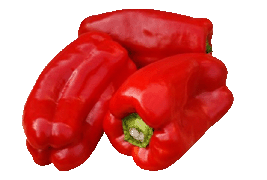
Bell pepper wine is a relatively modern addition to country winemaking but has become increasingly popular with adventurous homebrewers. Fully ripe peppers contribute subtle fruit characteristics rather than obvious vegetable flavours, allowing the wine to develop an elegant, aromatic profile. Yellow and orange peppers are especially prized because of their natural sweetness and delicate flavour. After fermentation and aging, the finished wine often displays notes of pear, melon and citrus, surprising those who expect a pronounced pepper taste.
At a glance
About this wine
Bell pepper wine is a relatively modern addition to country winemaking but has become increasingly popular with adventurous homebrewers. Fully ripe peppers contribute subtle fruit characteristics rather than obvious vegetable flavours, allowing the wine to develop an elegant, aromatic profile.
Yellow and orange peppers are especially prized because of their natural sweetness and delicate flavour. After fermentation and aging, the finished wine often displays notes of pear, melon and citrus, surprising those who expect a pronounced pepper taste.
Ingredients
- 5.0–6.0 lb (2.3–2.7 kg) ripe bell peppers
- 2.0–2.25 lb (900 g–1.0 kg) white sugar
- Water (to make up to 1 UK gallon (4.5 L) total volume)
- Juice of 2 lemons (or 2 tsp acid blend)
- 1 tsp yeast nutrient
- ½ tsp pectic enzyme
- 1 Campden tablet (optional)
Wine yeast (half packet recommended)
- Lalvin QA23 (highly recommended)
- Lalvin 71B
- EC-1118
Optional Ingredients
- 150 g raisins
- ¼ tsp wine tannin
- Zest of ½ unwaxed lemon
- Small piece of fresh ginger
- 1 tsp glycerine after fermentation
Equipment
- The following equipment is recommended to make this 1 Gallon.
- Sanitising fluid,
- 2 gallon Fermenting bucket,
- Demijohn,
- Hydrometer,
- Syphon tube,
- Air lock,
- Rubber bung,
- Measuring cups,
- Muslin bag,
- Thermometer,
- Extra long stirring spoon,
- Kitchen scales,
- Campden tablets
Preparation
- Wash the peppers thoroughly.
- Remove the stalks, seeds and white membranes.
- Slice into thin strips.
- Steam or simmer gently for 15–20 minutes until softened.
- Avoid overcooking, as this can produce cooked vegetable flavours.
- Retain any cooking liquor.
Method
- Transfer the cooked peppers and cooking liquor into a sanitised fermentation bucket.
- Dissolve the sugar into the hot liquid.
- Add the lemon juice (or acid blend).
- Top up with cool water to reach 1 UK gallon (4.5 L).
- Allow the must to cool below 25°C (77°F).
- Add: Pectic enzyme Yeast nutrient Crushed Campden tablet (if using)
- Cover and leave for 24 hours if Campden was added.
- Add the yeast and stir thoroughly.
- Strain out the pepper pieces.
- Allow them to drain naturally.
- Siphon into a sterilised demijohn.
- Fit an airlock.
- Top up if necessary.
Fermentation notes
Primary Fermentation
Ferment with the pepper pieces for 4–6 days.
Stir once daily.
Keep the peppers submerged.
Maintain 18–22°C.
The aroma gradually changes from fresh pepper to delicate fruit during fermentation.
Secondary Fermentation
Allow fermentation to continue for approximately 4–5 weeks.
Rack whenever sediment reaches around 1–2 cm.
Clearing & ageing notes
Once fermentation has finished
Leave to clear for 2 months
Rack again if required.
Bottle when crystal clear.
Bell pepper wine is best enjoyed while still fresh.
Minimum aging: 4 months
Ideal aging: 6–12 months
Peak drinking: 1–2 years
Tips & notes
Tips for Better Bell Pepper Wine
- Choose fully ripe yellow, orange or red peppers.
- Remove all seeds and white membranes to avoid bitterness.
- Steam rather than boil vigorously.
- QA23 yeast preserves delicate aromas particularly well.
- Raisins improve body without masking the wine.
- Drink within two years while the fresh aromas remain vibrant.
Common Mistakes to Avoid
- Using green peppers unless intentionally seeking a herbaceous style.
- Leaving seeds or white membranes in place.
- Overcooking the peppers.
- Forgetting the acid addition.
- Aging for too many years.
Serving suggestions
- Serve well chilled (8–10°C)
- Excellent with grilled fish and seafood
- Pairs beautifully with roast chicken
- Complements Mediterranean salads and antipasti
- Excellent with mild Thai and Vietnamese cuisine
Storage & ageing
- Best consumed within 2 years
- Store in a cool, dark place
- Best drinking window: 6–24 months
- Designed to be enjoyed while fresh and aromatic
FAQs
Does bell pepper wine taste like peppers? No. The characteristic pepper flavour fades during fermentatio, leaving a light, aromatic wine with subtle fruity notes.
Which colour peppers make the best wine? Yellow and orange peppers generally produce the smoothest and most aromatic wines. Red peppers are also excellent. Green peppers tend to give a more herbaceous result.
Should I remove the seeds? Yes. Remove the seeds and white membranes to avoid bitterness and produce a cleaner flavour.
Can I use frozen peppers? Yes. Frozen peppers work well once thawed and can even improve juice extractio.
How long should I age bell pepper wine? It is usually at its best between 6 months and 2 years while the fresh aromas are still prominent