Wine Profile
-
Style: Aromatic herb wine
-
Colour: Pale straw to light golden
-
Body: Light
-
Sweetness: Dry to off-dry
-
Acidity: Medium
-
Alcohol: 11–12% ABV
-
Yield: Approximately 1 UK gallon (4.5 L), around 6 × 750 ml bottles
-
Difficulty: Beginner
Herb Character
-
Dominant Flavours: Apple, honey, meadow flowers, sweet hay, gentle herbs
-
Aroma Strength: Strong
-
Recommended Brewing Strength: Light
-
Best Drinking Age: Young to medium (6–24 months)
Harvest Calendar
-
Harvest Season: June – August (UK)
-
Best Picking Time: Warm, dry morning after the dew has evaporated
-
Suitable for Fresh Use: ✔ Yes
-
Suitable for Drying: ✔ Yes
-
Suitable for Freezing: ✖ Not recommended
-
Best Source: Home gardens, herb gardens, wildflower meadows (where harvesting is permitted) and unsprayed cultivated plants
Identification & Safety
Correct identification
The preferred species are:
Characteristics include:
-
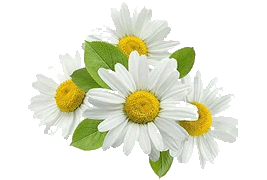
Small white daisy-like flowers with yellow centres
-
Finely divided, feathery foliage
-
Distinctive sweet apple-like fragrance
-
Flowers approximately 2–3 cm across
German camomile is generally preferred because of its sweeter, more delicate aroma.
Similar species
Avoid confusing camomile with scentless mayweed (Tripleurospermum inodorum) or other daisy-like plants. True camomile has a distinctive sweet, apple-like fragrance when the flowers are gently crushed.
Which parts should be used?
✔ Flower heads only.
Remove as much stem as possible, as stems can contribute a coarse herbal flavour.
Never use
-
Flower heads showing signs of mould
-
Plants treated with pesticides
-
Unknown daisy species
-
Flowers growing beside busy roads
Best Flowers to Use
Choose flowers that are:
Fresh flowers produce the finest wine, although good-quality dried flowers also work extremely well.
Ingredients
-
100–120 g fresh camomile flowers or 30–40 g dried camomile flowers
-
2.0–2.25 lb (900 g–1.0 kg) white sugar
-
Water (to make up to 1 UK gallon (4.5 L))
-
Juice of 2 lemons
-
Juice of 1 orange
-
Finely pared zest of 1 lemon
-
Finely pared zest of 1 orange
-
1 tsp yeast nutrient
-
1 Campden tablet (optional)
-
Wine yeast (half packet recommended):
Optional Ingredients
-
75–100 g raisins (for additional body)
-
1 tsp glycerine after fermentation
-
1 tbsp light honey (replace an equal amount of sugar) to complement the floral character
Preparation
-
Harvest the flowers on a warm, dry day.
-
Shake each flower gently to remove insects.
-
Do not wash the flowers unless absolutely necessary.
-
Remove as much stem as possible.
The flowers contain the delicate aromatic compounds that define the finished wine.
Making the Herbal Infusion
-
Place the flowers into a large saucepan or heatproof container.
-
Pour over approximately 3 litres of boiling water.
-
Cover immediately and allow to steep for 20–30 minutes.
Avoid boiling the flowers directly, as this can reduce the delicate floral aroma.
-
Strain through muslin or a fine sieve.
Discard the flowers.
Making the Must
-
Pour the hot camomile infusion into a sanitised fermentation bucket.
-
Dissolve the sugar into the infusion.
-
Add the citrus juice and zest.
-
Top up with cool water to reach 1 UK gallon (4.5 L).
-
Allow to cool below 25°C (77°F).
-
Add:
- Cover and leave for 24 hours if Campden was added.
- Add the yeast and stir thoroughly.
Primary Fermentation
-
Ferment for 5–7 days.
-
Stir gently once daily.
-
Maintain 18–22°C.
The fresh floral aroma gradually develops into a bouquet of apple, honey and wildflowers.
Transfer to Secondary
-
Siphon into a sterilised demijohn.
-
Fit an airlock.
-
Top up if necessary.
Secondary Fermentation
Allow fermentation to continue for approximately 3–5 weeks.
Rack whenever sediment reaches around 1–2 cm.
Clearing & Aging
Once fermentation has finished:
Camomile wine develops beautifully with moderate bottle aging.
-
Minimum aging: 6 months
-
Ideal aging: 9–18 months
-
Peak drinking: 1–3 years
Expected Results
Tips for Better Camomile Wine
-
Harvest flowers on warm, sunny mornings.
-
Use only flower heads with minimal stem.
-
Keep the infusion covered while steeping.
-
QA23 yeast preserves the delicate floral aromas exceptionally well.
-
Fresh flowers produce the finest bouquet, but good-quality dried flowers are an excellent alternative.
-
Allow at least six months of bottle aging before opening.
Common Mistakes to Avoid
-
Confusing camomile with scentless mayweed.
-
Using excessive stem material.
-
Boiling the flowers directly.
-
Harvesting after rain when the flowers are less aromatic.
-
Drinking immediately after bottling.
About Camomile Wine
Camomile has been cultivated for centuries as both a medicinal and culinary herb, prized for its calming properties and delicate apple-like fragrance. Traditional home winemakers soon recognised that these same aromatic qualities could be transformed into a remarkably elegant country wine.
Unlike many herb wines, camomile wine is exceptionally floral without becoming overpowering. Fermentation softens the herbal character, allowing notes of apple blossom, honey, meadow flowers and sweet hay to emerge. Properly matured, it becomes one of the finest examples of how simple garden herbs can produce wines of genuine refinement.
Its versatility and gentle character have earned camomile wine a lasting place among the classics of British country winemaking.
Serving Suggestions
-
Serve well chilled (8–10°C)
-
Excellent as an aperitif
-
Pairs beautifully with goat's cheese, Brie and Wensleydale
-
Complements grilled chicken, light seafood and summer salads
-
Wonderful with shortbread, lemon drizzle cake or apple tart
Storage & Aging
-
Best consumed within 3 years
-
Store in a cool, dark place
-
Best drinking window: 9 months–3 years
-
Retains its floral elegance throughout the first few years of bottle age
Frequently Asked Questions
Can I use camomile tea bags?
It is possible if they contain 100% pure camomile flowers with no added flavourings, but fresh or high-quality loose dried flowers produce a noticeably superior wine.
Which type of camomile is best?
German Camomile (Matricaria chamomilla) is generally preferred because of its sweeter, more apple-like aroma, although Roman Camomile also produces an excellent wine.
Why shouldn't I boil the flowers?
Direct boiling drives off many of the delicate essential oils responsible for camomile's distinctive floral and apple-like aroma. A covered infusion preserves these volatile compounds much more effectively.
Can I dry the flowers?
Yes. Camomile dries exceptionally well and retains much of its fragrance, making it one of the few herb wines that performs almost as well with dried material as with fresh.
How long should I age camomile wine?
The wine is usually at its best after 9–18 months, although it remains excellent for up to three years
|