Wine Profile
Style: Traditional flower wine
-
Colour: Bright golden yellow to deep gold
-
Body: Light to medium
-
Sweetness: Dry to off-dry
-
Acidity: Medium
-
Alcohol: 11–12.5% ABV
-
Yield: Approximately 1 UK gallon (4.5 L), around 6 × 750 ml bottles
-
Difficulty: Beginner
Flower Character
-
Dominant Flavours: Honey, wildflowers, citrus, dried apricot, gentle herbal notes
-
Aroma Strength: Strong
-
Recommended Brewing Strength: Medium
-
Best Drinking Age: Medium (9–24 months)
Harvest Calendar
-
Harvest Season: April – June (UK)
-
Best Picking Time: Warm, sunny afternoon when the flowers are fully open
-
Suitable for Fresh Use: ✔ Yes
-
Suitable for Drying: ✖ Not recommended
-
Suitable for Freezing: ✔ Yes (petals only)
-
Best Source: Unsprayed meadows, gardens and fields away from roadsides and agricultural spraying
Identification & Safety
Correct identification
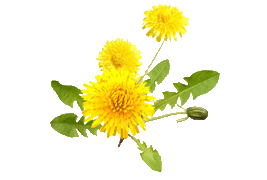
Use Common Dandelion (Taraxacum officinale aggregate).
Characteristics include:
-
Bright yellow flower heads
-
Deeply toothed basal leaves
-
Hollow flower stems containing white milky sap
-
Single flower per stem
Similar species
Several hawkbit and hawksbeard species resemble dandelions, but they are generally not recommended for this recipe.
Which parts should be used?
✔ Yellow petals only.
Removing the green bracts beneath the petals produces a much smoother wine with less bitterness.
Never use
-
Entire flower heads with excessive green material
-
Flowers from lawns recently treated with weedkillers
-
Flowers growing beside busy roads
-
Wilted or closed flowers
Best Flowers to Use
Choose flowers that are:
-
Fully open
-
Bright yellow
-
Freshly picked
-
Dry
-
Free from insects
Pick only on sunny days, as closed flowers lose much of their aroma.
Ingredients
-
Approximately 1 litre of loosely packed dandelion petals (around 250–300 g of flower heads before removing the green parts)
-
2.0–2.25 lb (900 g–1.0 kg) white sugar
-
Water (to make up to 1 UK gallon (4.5 L))
-
Juice of 2 lemons
-
Juice of 1 orange
-
Finely pared zest of 1 lemon
-
Finely pared zest of 1 orange
-
100 g raisins (recommended for additional body)
-
1 tsp yeast nutrient
-
1 Campden tablet (optional)
-
Wine yeast (half packet recommended):
Optional Ingredients
Preparation
-
Pick the flowers on a warm, sunny afternoon.
-
Remove all insects by gently shaking the flowers.
-
Carefully pull away the yellow petals, leaving behind the green base.
-
Discard as much green material as possible.
This is the most time-consuming part of the recipe but has the greatest influence on the quality of the finished wine.
Making the Flower Infusion
-
Place the petals into a sanitised fermentation bucket.
-
Add the citrus zest.
-
Pour over approximately 3 litres of boiling water.
-
Cover and allow to steep for 24 hours.
The longer infusion extracts the delicate floral flavours without excessive bitterness.
-
Strain through muslin or a fine sieve.
Discard the petals.
Making the Must
-
Dissolve the sugar into the warm infusion.
-
Add:
-
Lemon juice
-
Orange juice
-
Raisins
-
Top up with cool water to reach 1 UK gallon (4.5 L).
-
Allow the must to cool below 25°C (77°F).
-
Add:
- Cover and leave for 24 hours if Campden was added.
- Add the yeast and stir thoroughly.
Primary Fermentation
-
Ferment for 5–7 days.
-
Stir once daily.
-
Maintain 18–22°C.
Transfer to Secondary
-
Siphon into a sterilised demijohn.
-
Fit an airlock.
-
Top up if necessary.
Secondary Fermentation
Allow fermentation to continue for approximately 4–6 weeks.
Rack whenever sediment reaches around 1–2 cm.
Clearing & Aging
Once fermentation has finished:
Dandelion wine improves significantly with bottle age.
Expected Results
Tips for Better Dandelion Wine
-
Pick flowers only when fully open.
-
Remove as much green material as possible.
-
Add raisins for improved body.
-
71B yeast complements the floral character beautifully.
-
A full 12 months of aging produces a noticeably smoother wine.
Common Mistakes to Avoid
-
Leaving too much green material attached.
-
Picking flowers after rain.
-
Using flowers from sprayed areas.
-
Rushing the maturation process.
-
Fermenting at excessive temperatures.
About Dandelion Wine
Few country wines are as deeply rooted in British and European tradition as dandelion wine. For generations, the arrival of bright yellow dandelions signalled the beginning of the home winemaking season, and families would gather baskets of flowers to produce a wine that captured the essence of spring.
Although the flowers themselves appear simple, careful preparation transforms them into a surprisingly sophisticated wine with notes of honey, citrus and dried fruit. Removing the green parts of the flower is the secret to producing a smooth, elegant wine rather than one with excessive bitterness.
Its enduring popularity has made dandelion wine one of the defining recipes of traditional country winemaking, and it remains a favourite among home winemakers today.
Serving Suggestions
-
Serve lightly chilled (8–10°C)
-
Excellent as an aperitif
-
Pairs beautifully with soft cheeses, grilled chicken and seafood
-
Complements asparagus, spring vegetables and fresh salads
-
Wonderful with apple tart, lemon desserts and shortbread
Storage & Aging
-
Improves for up to 4 years
-
Store in a cool, dark place
-
Best drinking window: 1–4 years
-
Gains complexity and smoothness with extended bottle aging
Frequently Asked Questions
Do I really need to remove the green parts of the flowers?
Yes. While a small amount of green material is unlikely to spoil the wine, removing as much as possible greatly reduces bitterness and produces a cleaner, more refined flavour.
Can I freeze the petals?
Yes. Yellow petals freeze well and can be accumulated over several picking sessions before making the wine.
Why are raisins included?
Dandelion petals contribute aroma but very little body. Raisins provide additional texture and improve the mouthfeel without overpowering the delicate floral character.
Can I use dried dandelion flowers?
Fresh petals are strongly recommended. Drying results in a noticeable loss of aroma and colour.
How long should I age dandelion wine?
At least 9–12 months. It reaches its finest balance after around 12–18 months and can continue improving for several years
|