Wine Profile
-
Style: Traditional flower wine
-
Colour: Pale straw to light golden
-
Body: Light
-
Sweetness: Dry to off-dry
-
Acidity: Medium
-
Alcohol: 11–12% ABV
-
Yield: Approximately 1 UK gallon (4.5 L), around 6 × 750 ml bottles
-
Difficulty: Beginner
Flower Character
-
Dominant Flavours: Coconut, vanilla, almond, honey, citrus
-
Aroma Strength: Strong
-
Recommended Brewing Strength: Medium
-
Best Drinking Age: Medium (9–24 months)
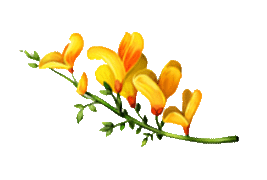
Gorse wine is a beautifully aromatic flower wine with delicate coconut, vanilla, almond and honey notes, balanced by refreshing citrus acidity and a smooth finish. Made from the bright yellow flowers of common gorse, it produces one of the most unusual and rewarding traditional British country wines.
Properly matured, gorse wine develops into a pale golden wine with a fragrant bouquet and remarkable complexity.
Gorse wine is a beautifully aromatic flower wine with delicate coconut, vanilla, almond and honey notes, balanced by refreshing citrus acidity and a smooth finish. Made from the bright yellow flowers of common gorse, it produces one of the most unusual and rewarding traditional British country wines.
Properly matured, gorse wine develops into a pale golden wine with a fragrant bouquet and remarkable complexity.
Gorse wine is a beautifully aromatic flower wine with delicate coconut, vanilla, almond and honey notes, balanced by refreshing citrus acidity and a smooth finish. Made from the bright yellow flowers of common gorse, it produces one of the most unusual and rewarding traditional British country wines.
Properly matured, gorse wine develops into a pale golden wine with a fragrant bouquet and remarkable complexity.
Gorse wine is a beautifully aromatic flower wine with delicate coconut, vanilla, almond and honey notes, balanced by refreshing citrus acidity and a smooth finish. Made from the bright yellow flowers of common gorse, it produces one of the most unusual and rewarding traditional British country wines.
Properly matured, gorse wine develops into a pale golden wine with a fragrant bouquet and remarkable complexity.
Harvest Calendar
-
Harvest Season: February – June (UK), depending on locality
-
Best Picking Time: Warm, sunny afternoon when the flowers are fully open
-
Suitable for Fresh Use: ✔ Yes
-
Suitable for Drying: ✖ Not recommended
-
Suitable for Freezing: ✔ Yes
-
Best Source: Unsprayed heathland, commons and hedgerows away from roadsides
Gorse wine is a beautifully aromatic flower wine with delicate coconut, vanilla, almond and honey notes, balanced by refreshing citrus acidity and a smooth finish. Made from the bright yellow flowers of common gorse, it produces one of the most unusual and rewarding traditional British country wines.
Properly matured, gorse wine develops into a pale golden wine with a fragrant bouquet and remarkable complexity.
Identification & Safety
Correct identification
Use Common Gorse (Ulex europaeus).
Characteristics include:
Similar species
Western Gorse (Ulex gallii) and Dwarf Gorse (Ulex minor) are also suitable, although Common Gorse is preferred because of its stronger floral aroma.
Which parts should be used?
✔ Flowers only.
Avoid including stems or spines.
Never use
Gorse wine is a beautifully aromatic flower wine with delicate coconut, vanilla, almond and honey notes, balanced by refreshing citrus acidity and a smooth finish. Made from the bright yellow flowers of common gorse, it produces one of the most unusual and rewarding traditional British country wines.
Properly matured, gorse wine develops into a pale golden wine with a fragrant bouquet and remarkable complexity.
Best Flowers to Use
Choose flowers that are:
-
Fully open
-
Bright yellow
-
Dry
-
Intensely fragrant
-
Free from insects
Warm sunny afternoons usually produce the strongest coconut aroma.
Gorse wine is a beautifully aromatic flower wine with delicate coconut, vanilla, almond and honey notes, balanced by refreshing citrus acidity and a smooth finish. Made from the bright yellow flowers of common gorse, it produces one of the most unusual and rewarding traditional British country wines.
Properly matured, gorse wine develops into a pale golden wine with a fragrant bouquet and remarkable complexity.
Ingredients
-
Approximately 2 litres loosely packed gorse flowers (around 250–300 g)
-
2.0–2.25 lb (900 g–1.0 kg) white sugar
-
Water (to make up to 1 UK gallon (4.5 L))
-
Juice of 2 lemons
-
Juice of 1 orange
-
Finely pared zest of 2 lemons
-
Finely pared zest of 1 orange
-
100 g raisins (recommended)
-
1 tsp yeast nutrient
-
1 Campden tablet (optional)
-
Wine yeast (half packet recommended):
Optional Ingredients
Gorse wine is a beautifully aromatic flower wine with delicate coconut, vanilla, almond and honey notes, balanced by refreshing citrus acidity and a smooth finish. Made from the bright yellow flowers of common gorse, it produces one of the most unusual and rewarding traditional British country wines.
Properly matured, gorse wine develops into a pale golden wine with a fragrant bouquet and remarkable complexity.
Preparation
-
Pick flowers on a warm, sunny afternoon.
-
Shake gently to remove insects.
-
Avoid crushing the flowers.
-
Remove any small pieces of stem.
Fresh flowers retain their delicate fragrance best if used immediately.
Gorse wine is a beautifully aromatic flower wine with delicate coconut, vanilla, almond and honey notes, balanced by refreshing citrus acidity and a smooth finish. Made from the bright yellow flowers of common gorse, it produces one of the most unusual and rewarding traditional British country wines.
Properly matured, gorse wine develops into a pale golden wine with a fragrant bouquet and remarkable complexity.
Gorse wine is a beautifully aromatic flower wine with delicate coconut, vanilla, almond and honey notes, balanced by refreshing citrus acidity and a smooth finish. Made from the bright yellow flowers of common gorse, it produces one of the most unusual and rewarding traditional British country wines.
Properly matured, gorse wine develops into a pale golden wine with a fragrant bouquet and remarkable complexity.
Making the Flower Infusion
-
Place the flowers into a sanitised fermentation bucket.
-
Add the citrus zest.
-
Pour over approximately 3 litres of boiling water.
-
Cover and allow to steep for 24 hours.
Avoid prolonged boiling, which drives off the delicate aromatic oils.
-
Strain through muslin or a fine sieve.
Discard the flowers.
Gorse wine is a beautifully aromatic flower wine with delicate coconut, vanilla, almond and honey notes, balanced by refreshing citrus acidity and a smooth finish. Made from the bright yellow flowers of common gorse, it produces one of the most unusual and rewarding traditional British country wines.
Properly matured, gorse wine develops into a pale golden wine with a fragrant bouquet and remarkable complexity.
Gorse wine is a beautifully aromatic flower wine with delicate coconut, vanilla, almond and honey notes, balanced by refreshing citrus acidity and a smooth finish. Made from the bright yellow flowers of common gorse, it produces one of the most unusual and rewarding traditional British country wines.
Properly matured, gorse wine develops into a pale golden wine with a fragrant bouquet and remarkable complexity.
Making the Must
-
Dissolve the sugar into the warm infusion.
-
Add:
-
Lemon juice
-
Orange juice
-
Raisins
-
Top up with cool water to reach 1 UK gallon (4.5 L).
-
Allow to cool below 25°C (77°F).
-
Add:
- Leave for 24 hours if Campden was added.
- Add the yeast and stir thoroughly.
Gorse wine is a beautifully aromatic flower wine with delicate coconut, vanilla, almond and honey notes, balanced by refreshing citrus acidity and a smooth finish. Made from the bright yellow flowers of common gorse, it produces one of the most unusual and rewarding traditional British country wines.
Properly matured, gorse wine develops into a pale golden wine with a fragrant bouquet and remarkable complexity.
Gorse wine is a beautifully aromatic flower wine with delicate coconut, vanilla, almond and honey notes, balanced by refreshing citrus acidity and a smooth finish. Made from the bright yellow flowers of common gorse, it produces one of the most unusual and rewarding traditional British country wines.
Properly matured, gorse wine develops into a pale golden wine with a fragrant bouquet and remarkable complexity.
Primary Fermentation
-
Ferment for 5–7 days.
-
Stir once daily.
-
Maintain 18–22°C.
The wine develops a wonderfully fragrant floral bouquet during fermentation.
Transfer to Secondary
-
Siphon carefully into a sterilised demijohn.
-
Fit an airlock.
-
Top up if necessary.
Secondary Fermentation
Continue fermentation for approximately 3–5 weeks.
Rack whenever sediment reaches around 1–2 cm.
Clearing & Aging
Once fermentation has finished:
Gorse wine improves greatly with bottle aging.
Expected Results
Tips for Better Gorse Wine
-
Harvest on warm, sunny afternoons when the flowers are most fragrant.
-
Use the flowers immediately after picking.
-
Add raisins to improve body.
-
71B yeast enhances the floral and honeyed aromas beautifully.
-
Give the wine at least a year before opening.
Common Mistakes to Avoid
-
Picking flowers in wet weather.
-
Including stems or spines.
-
Boiling the flowers directly.
-
Harvesting faded blooms.
-
Drinking before adequate maturation.
About Gorse Wine
Gorse has long been one of Britain's most recognisable wild shrubs, brightening heathland, moorland and coastal paths with its vivid yellow flowers. Country winemakers discovered that these blossoms, with their distinctive coconut-like fragrance, could produce a remarkably elegant wine.
Although the aroma of fresh flowers is unmistakable, fermentation transforms it into a subtle blend of vanilla, almond, honey and citrus, producing a wine that is both delicate and surprisingly complex. Its long tradition and unique flavour make it one of the classic flower wines of Britain.
Serving Suggestions
-
Serve well chilled (8–10°C)
-
Excellent as an aperitif
-
Pairs beautifully with soft cheeses
-
Complements grilled chicken and seafood
-
Delicious with almond biscuits, lemon tart and shortbread
Storage & Aging
-
Best consumed within 4 years
-
Store in a cool, dark place
-
Best drinking window: 1–4 years
-
Develops increasing complexity throughout its second year
Frequently Asked Questions
Does gorse wine really taste of coconut?
Many people notice a gentle coconut or vanilla aroma, particularly when the flowers are harvested on warm sunny days. The flavour in the finished wine is delicate rather than overpowering.
Can I freeze the flowers?
Yes. Fresh flowers freeze well and retain much of their fragrance, making it easy to gather enough over several days.
Should I remove the petals from the flowers?
No. Unlike dandelions, the entire flower can be used, but take care to exclude stems and spines.
Why are raisins included?
Gorse flowers provide excellent aroma but very little body. Raisins add texture and improve the mouthfeel of the finished wine.
How long should I age gorse wine?
Although drinkable after about nine months, it reaches its finest balance after 12–18 months and continues to improve for several years
|