Wine Profile
-
Style: Traditional flower wine
-
Colour: Pale straw to light gold
-
Body: Light
-
Sweetness: Dry to off-dry
-
Acidity: Medium
-
Alcohol: 11–12% ABV
-
Yield: Approximately 1 UK gallon (4.5 L), around 6 × 750 ml bottles
-
Difficulty: Intermediate
Flower Character
-
Dominant Flavours: Jasmine, orange blossom, honey, apricot, citrus
-
Aroma Strength: Very Strong
-
Recommended Brewing Strength: Medium
-
Best Drinking Age: Medium (9–24 months)
Harvest Calendar
-
Harvest Season: May – July (UK)
-
Best Picking Time: Warm, dry evening or late afternoon when fragrance is strongest
-
Suitable for Fresh Use: ✔ Yes
-
Suitable for Drying: ✖ Not recommended
-
Suitable for Freezing: ✔ Yes
-
Best Source: Unsprayed gardens and hedgerows where the plant has been positively identified
Identification & Safety
Correct identification
The preferred species is:
Characteristics include:
-
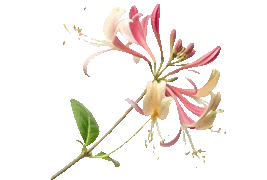
Climbing vine
-
Cream, white and yellow tubular flowers
-
Intensely sweet fragrance, especially in the evening
-
Flowers often ageing to yellow
-
Red berries appearing later in the season
Similar species
Many ornamental Lonicera species have similar flowers but vary in suitability. Only harvest flowers from plants you can identify confidently.
Which parts should be used?
✔ Fresh flowers only.
Do not include leaves or stems.
Never use
-
Berries (many are mildly toxic)
-
Leaves
-
Stems
-
Plants treated with pesticides
-
Unidentified ornamental honeysuckles
If there is any doubt about identification, do not harvest the flowers.
Best Flowers to Use
Choose flowers that are:
-
Newly opened
-
Highly fragrant
-
Cream or white in colour
-
Fresh and dry
-
Free from insects
The strongest perfume is usually found during warm evenings.
Ingredients
-
Approximately 2 litres loosely packed honeysuckle flowers (around 200–250 g)
-
2.0–2.25 lb (900 g–1.0 kg) white sugar
-
Water (to make up to 1 UK gallon (4.5 L))
-
Juice of 2 lemons
-
Juice of 1 orange
-
Finely pared zest of 2 lemons
-
Finely pared zest of 1 orange
-
100 g raisins
-
1 tsp yeast nutrient
-
1 Campden tablet (optional)
-
Wine yeast (half packet recommended):
Optional Ingredients
Preparation
-
Harvest flowers during a warm, dry evening.
-
Shake gently to remove insects.
-
Remove any attached leaves or stems.
-
Use the flowers immediately for maximum fragrance.
Making the Flower Infusion
-
Place the flowers into a sanitised fermentation bucket.
-
Add the citrus zest.
-
Pour over approximately 3 litres of boiling water.
-
Cover immediately and allow to steep for 18–24 hours.
Avoid direct boiling, which can drive off the delicate aromatic compounds.
-
Strain through muslin or a fine sieve.
Discard the flowers.
Making the Must
-
Dissolve the sugar into the warm infusion.
-
Add:
-
Lemon juice
-
Orange juice
-
Raisins
-
Top up with cool water to reach 1 UK gallon (4.5 L).
-
Cool below 25°C (77°F).
-
Add:
- Wait 24 hours if Campden was added.
- Add the yeast and stir thoroughly.
Primary Fermentation
-
Ferment for 5–7 days.
-
Stir once daily.
-
Maintain 18–22°C.
The floral perfume becomes wonderfully complex during fermentation.
Transfer to Secondary
-
Siphon into a sterilised demijohn.
-
Fit an airlock.
-
Top up if necessary.
Secondary Fermentation
Continue fermentation for 3–5 weeks.
Rack whenever sediment reaches approximately 1–2 cm.
Clearing & Aging
Once fermentation has finished:
Honeysuckle wine rewards careful aging.
Expected Results
Tips for Better Honeysuckle Wine
-
Harvest during warm evenings when fragrance is strongest.
-
QA23 preserves delicate floral aromas exceptionally well.
-
Avoid excessive citrus, which can overpower the flowers.
-
Raisins improve body without masking the blossom character.
-
Allow at least one year before opening.
Common Mistakes to Avoid
-
Using unidentified honeysuckle species.
-
Including leaves or stems.
-
Boiling the flowers directly.
-
Harvesting after heavy rain.
-
Drinking before sufficient bottle aging.
About Honeysuckle Wine
The sweet perfume of honeysuckle has been enjoyed in Britain for centuries, filling hedgerows and woodland edges during early summer evenings. Traditional home winemakers discovered that this remarkable fragrance could be captured in a delicate country wine, producing one of the most aromatic flower wines ever made.
Unlike many floral wines, honeysuckle develops subtle fruit notes during fermentation, with hints of apricot, citrus blossom and honey complementing its unmistakable floral bouquet. The result is an elegant, refreshing wine that rewards patience and careful preparation.
Because identification is particularly important, honeysuckle wine should always be made only from confidently identified edible species.
Serving Suggestions
-
Serve well chilled (8–10°C)
-
Excellent as an aperitif
-
Pairs beautifully with seafood, grilled chicken and goat's cheese
-
Complements light summer salads
-
Wonderful with lemon desserts, fruit tarts and vanilla panna cotta
Storage & Aging
-
Best consumed within 3 years
-
Store in a cool, dark place
-
Best drinking window: 1–3 years
-
Retains its delicate floral bouquet best during the first few years.
Frequently Asked Questions
Can I use ornamental honeysuckle from my garden?
Only if you are confident it is a suitable Lonicera species. If there is any doubt, do not use it.
Are the berries safe?
No. Many honeysuckle berries are mildly toxic and should never be included in winemaking.
Why is the wine made from flowers only?
The flowers contain the desirable aromatic compounds. Leaves, stems and berries contribute unwanted flavours and may not be safe.
Can I freeze the flowers?
Yes. Fresh flowers freeze well and retain much of their fragrance for later use.
How long should I age honeysuckle wine?
It reaches its finest balance after 12–18 months, when the floral and fruit aromas have fully integrated.
|