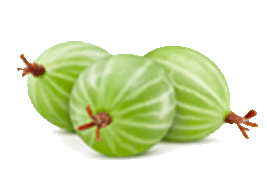
Wine Profile
-
Style: Crisp white-style fruit wine
-
Colour: Pale straw to light gold
-
Body: Light to medium
-
Sweetness: Dry (best kept dry or off-dry)
-
Acidity: Very high
-
Alcohol: 11–12.5% ABV
-
Yield: Approximately 1 UK gallon (4.5 L), around 6 × 750 ml bottles
-
Difficulty: Intermediate
Harvest Calendar
-
Harvest Season: June – August (UK)
-
Best Picking Time: Fully sized, slightly soft berries (green or red depending on variety)
-
Suitable for Freezing: Yes (very effective for juice extraction)
-
Best Source: Garden bushes, allotments, fruit gardens
Ingredients
-
4.5–6.0 lb (2.0–2.7 kg) gooseberries
-
2.0–2.25 lb (900 g–1.0 kg) white sugar
-
Water (to make up to 1 UK gallon / 4.5 L total volume)
-
1 tsp yeast nutrient
-
1 tsp pectic enzyme (slightly higher than average due to high pectin)
-
1 Campden tablet (recommended for fresh fruit)
-
Wine yeast (half packet recommended):
-
Lalvin 71B (best for softening acidity)
-
Lalvin D47 (adds body and structure)
-
EC-1118 (very dry, clean fermentation)
Optional Ingredients
-
½ tsp wine tannin (usually not needed — light natural tannin present)
-
Juice of ½ lemon (rarely needed — only if fruit is unusually mild)
-
1 cinnamon stick (very subtle spice variation)
-
Small piece of orange peel (adds aromatic lift)
-
1 tsp glycerine after fermentation (improves mouthfeel)
Preparation
-
Wash gooseberries thoroughly and remove stems and dried flower ends.
-
Discard any damaged or unripe fruit.
-
Freeze fruit overnight if possible — this significantly improves juice extraction.
-
Lightly crush fruit using a potato masher or clean hands.
-
Place fruit into a sanitised fermentation bag inside the primary fermenter.
Gooseberries break down into a thick, pulpy must due to their high pectin content — this is normal.
Making the Must
-
Dissolve sugar in approximately 2.5 litres of boiling water.
-
Pour hot sugar solution over the fruit.
-
Add cool water to reach 1 UK gallon (4.5 L total volume).
-
Allow to cool below 25°C (77°F).
-
Add:
- Cover and leave for 24 hours if Campden was added.
Primary Fermentation
-
Add yeast and stir thoroughly.
-
Stir once or twice daily to break up the thick fruit cap.
-
Keep fruit submerged gently.
-
Ferment for 5–7 days at 18–22°C.
Gooseberry ferments can appear slow or thick at first due to pectin, but will proceed steadily once active.
Transfer to Secondary
-
Lift fruit bag and allow to drain naturally — do not squeeze.
-
Siphon liquid into a sterilised demijohn.
-
Fit airlock.
-
Top up with cooled boiled water if required.
Secondary Fermentation
Allow fermentation to complete over 3–5 weeks.
Rack when sediment reaches 1–2 cm.
Clearing & Aging
Once fermentation has finished:
Gooseberry wine benefits significantly from aging:
Expected Results
Tips for Better Gooseberry Wine
-
Pectic enzyme is essential — gooseberries are very high in pectin.
-
Freezing fruit greatly improves juice release and fermentation efficiency.
-
71B yeast is strongly recommended to soften high acidity.
-
The wine will taste very sharp when young — aging is essential.
-
Slight backsweetening after stabilisation can greatly improve balance.
-
Green gooseberries produce a sharper, more acidic wine than ripe red varieties.
About Gooseberry Wine
Gooseberries have long been a staple of British gardens and allotments, valued for their sharp flavour and versatility in cooking and preserves. Their high acidity makes them particularly well suited to winemaking, where they produce a crisp, structured wine reminiscent of a dry white grape wine.
Historically, gooseberry wine was popular in rural households where summer harvests provided abundant fruit. It is one of the best examples of a “white-style” country wine made from garden fruit rather than grapes.
Serving Suggestions
-
Serve well chilled (8–10°C)
-
Pairs well with fish, poultry, and light salads
-
Excellent with creamy cheeses
-
Works well as an aperitif when aged
Storage & Aging
-
Improves for up to 2 years
-
Store in a cool, dark place
-
Best drinking window: 6–24 months
-
Benefits significantly from bottle aging
Frequently Asked Questions
Can I use green or red gooseberries?
Yes — green are sharper, red are slightly softer and fruitier.
Why is my wine so cloudy?
High pectin content is common — ensure pectic enzyme is used and allow more aging time.
Can I make it sweet?
Yes, but only after stabilisation.
Do I need to freeze gooseberries?
Not essential, but strongly recommended for best results.
Can I mix gooseberries with other fruit?
Yes — elderflower, apple, and whitecurrant all work very well
|