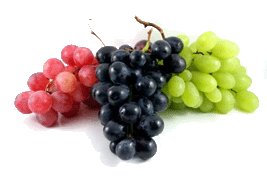
Grape wine is the foundation of all traditional winemaking, and when made at home in the UK it is usually based on table grapes or juice from suitable wine-style varieties. Unlike most fruit wines, grapes naturally contain the ideal balance of sugar, acidity, tannin (in skins), and yeast nutrients, meaning they can ferment cleanly without heavy adjustment.
The result is a true wine-style drink rather than a “country wine”, with better structure, ageing potential, and clarity.
This recipe is designed for fresh or frozen grapes suitable for winemaking.
|
Wine Profile
-
Style: Classic still wine
-
Colour: White, rosé, or red (depending on grape type)
-
Body: Light to medium
-
Sweetness: Dry (default)
-
Acidity: Medium
-
Alcohol: 11.5–13% ABV
-
Yield: Approximately 1 UK gallon (4.5 L), ~6 bottles
-
Difficulty: Intermediate
Harvest / Source Notes
-
Season: September – October (UK imports or garden vines)
-
Best Grapes: Wine grapes if available; otherwise ripe table grapes
-
Suitable Types:
-
Suitable for Freezing: Yes (helps extraction for home use)
Ingredients
-
6.5–8.0 lb (3.0–3.6 kg) ripe grapes (destemmed)
-
1.5–2.0 lb (700 g–900 g) white sugar (adjust depending on sweetness of grapes)
-
Water (only if needed to reach 1 UK gallon / 4.5 L total volume)
-
1 tsp yeast nutrient (optional but helpful for table grapes)
-
½ tsp pectic enzyme
-
1 Campden tablet (recommended for fresh fruit)
-
Wine yeast (half packet recommended):
-
Lalvin EC-1118 (clean, reliable ferment)
-
Lalvin 71B (fruitier, softer profile)
-
Lalvin D47 (rounder, fuller body)
Optional Ingredients
-
½ tsp wine tannin (especially for red grape wine if skins are limited)
-
Small amount of acid blend (only if grapes taste very sweet/flat)
-
Oak chips (for structure and ageing complexity)
-
1 tsp glycerine after fermentation (mouthfeel enhancement)
Preparation
-
Remove all stems and leaves.
-
Wash grapes if needed, but avoid crushing prematurely.
-
Lightly crush grapes to break skins and release juice.
-
Place into a sanitised fermentation bag in the primary fermenter.
-
For red wine: include skins during fermentation for colour and tannin.
-
For white wine: press immediately after crushing (or after short maceration).
Making the Must
-
If needed, dissolve sugar in a small amount of boiling water and cool.
-
Combine crushed grapes with sugar solution.
-
Add cool water only if required to reach 1 UK gallon (4.5 L).
-
Add:
-
Pectic enzyme
-
Yeast nutrient
-
Campden tablet (if used)
- Cover and allow to stand for 24 hours.
Primary Fermentation
-
Add yeast and stir thoroughly.
-
Stir once daily.
-
Keep grape skins submerged if making red wine.
-
Ferment for 5–7 days at 18–24°C.
You will notice a strong, clean fermentation aroma — much less “jammy” than fruit wines.
Pressing / Transfer to Secondary
-
After 5–7 days, or when vigorous fermentation slows:
-
Transfer liquid into a sterilised demijohn.
-
Fit airlock.
-
Top up with water only if absolutely necessary.
Secondary Fermentation
Allow fermentation to complete over 3–6 weeks.
Rack once sediment forms (1–2 cm layer).
Clearing & Aging
Once fermentation has finished:
-
Allow to clear for 2–3 months
-
Rack if needed for clarity
-
Bottle once bright and stable
Grape wine improves significantly with age:
Expected Results
Tips for Better Grape Wine
-
Grapes naturally ferment cleanly — avoid overcomplicating the process.
-
Red wine quality depends heavily on skin contact time.
-
Do not over-dilute — grapes should form the backbone of the wine.
-
EC-1118 gives reliability; 71B gives fruit expression.
-
Oak chips can significantly improve structure if using table grapes.
-
Keep oxygen exposure low after fermentation begins.
About Grape Wine
Grape wine is unique among fruit wines because grapes naturally contain everything needed for balanced fermentation: sugar, acid, tannin (in skins and seeds), and nutrients for yeast health. This is why grape wine has been the dominant global wine style for thousands of years.
When made at home in the UK using table grapes, it won’t always match commercial vineyard wines, but it can still produce a clean, structured, and enjoyable wine with good ageing potential.
Serving Suggestions
-
Serve:
-
White: 8–10°C
-
Red: 14–16°C
-
Pairs with almost all food types
-
Especially good with roast meats, pasta, and cheese
-
Improves noticeably after 1 year
Storage & Aging
-
Improves for up to 3 years
-
Store in a cool, dark place
-
Best drinking window: 12–36 months
-
Benefits strongly from bottle ageing
Frequently Asked Questions
Do I need to add sugar?
Only if grapes are not fully ripe or are low in natural sugar.
Can I make rosé?
Yes — reduce skin contact time to 12–24 hours.
Can I use shop-bought grapes?
Yes, but flavour will be milder than wine grapes.
Why is my wine thin?
Likely low tannin — oak or tannin additions can help.
Do I need pectic enzyme?
Yes — it improves clarity, especially with table grapes
|