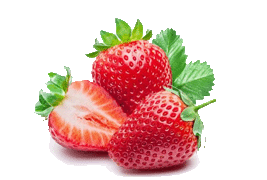
Wine Profile
-
Style: Light fruit wine
-
Colour: Pale salmon pink to light ruby
-
Body: Light
-
Sweetness: Dry to medium (often best slightly off-dry)
-
Acidity: Medium
-
Alcohol: 11–12.5% ABV
-
Yield: Approximately 1 UK gallon (4.5 L), around 6 × 750 ml bottles
-
Difficulty: Beginner to Intermediate
Harvest Calendar
-
Harvest Season: June – July (UK)
-
Best Picking Time: Fully ripe, deep red fruit with good aroma
-
Suitable for Freezing: Yes (highly recommended)
-
Best Source: Home gardens, pick-your-own farms, allotments and local growers
Ingredients
-
5.0–6.0 lb (2.3–2.7 kg) ripe strawberries
-
2.0–2.25 lb (900 g–1.0 kg) white sugar
-
Water (to make up to 1 UK gallon / 4.5 L total volume)
-
1 tsp yeast nutrient
-
½ tsp pectic enzyme
-
1 Campden tablet (recommended for fresh fruit)
-
Wine yeast (half packet recommended):
-
Lalvin 71B (excellent for preserving fruit aromas)
-
Lalvin D47 (adds body and smoothness)
-
EC-1118 (clean, reliable fermentation)
Optional Ingredients
-
½ tsp wine tannin (recommended for added structure)
-
Juice of ½ lemon (only if the fruit is particularly sweet and low in acidity)
-
1 tsp glycerine after fermentation (improves mouthfeel)
-
A small piece of vanilla pod (adds subtle complexity)
-
A handful of raspberries (optional, for additional colour and aroma)
Preparation
-
Wash the strawberries gently and remove all green tops.
-
Discard any mouldy or damaged fruit.
-
Freeze the strawberries overnight if possible to improve juice extraction.
-
Thaw completely and lightly crush the fruit.
-
Place the fruit into a sanitised fermentation bag in the primary fermenter.
Freezing helps break down the fruit, improving both juice yield and colour extraction.
Making the Must
-
Dissolve the sugar in approximately 2.5 litres of boiling water.
-
Pour the hot sugar solution over the fruit.
-
Add cool water to reach 1 UK gallon (4.5 L total volume).
-
Allow the must to cool below 25°C (77°F).
-
Add:
- Cover and leave for 24 hours if Campden was added.
Primary Fermentation
-
Add the yeast and stir thoroughly.
-
Stir once daily to keep the fruit submerged.
-
Ferment for 4–6 days at 18–22°C.
Expect a vigorous fermentation with a wonderful fresh strawberry aroma during the first few days.
Transfer to Secondary
-
Lift the fermentation bag and allow it to drain naturally.
-
Avoid squeezing the fruit too firmly, as this can produce a cloudy wine.
-
Siphon into a sterilised demijohn.
-
Fit an airlock.
-
Top up with cooled boiled water if required.
Secondary Fermentation
Allow fermentation to complete over 3–4 weeks.
Rack whenever sediment reaches approximately 1–2 cm.
Clearing & Aging
Once fermentation has finished:
Strawberry wine is at its best while still relatively young:
Expected Results
Tips for Better Strawberry Wine
-
Freeze the fruit before use to maximise juice extraction.
-
Use fully ripe, fragrant strawberries for the best flavour.
-
Add a small amount of wine tannin to improve body and balance.
-
71B yeast is particularly good at preserving delicate strawberry aromas.
-
Avoid excessive exposure to air after fermentation to retain freshness.
-
Slight backsweetening after stabilisation can dramatically enhance the strawberry flavour.
About Strawberry Wine
Strawberries have been cultivated in Britain since the eighteenth century and have become one of the nation's favourite summer fruits. Their sweet aroma and vibrant flavour make them an excellent choice for country wine, although they require careful handling to preserve their delicate character.
Unlike many hedgerow wines that benefit from years of maturation, strawberry wine is prized for its youthful freshness and bright fruit profile. It is often considered one of the best introductory fruit wines for new home winemakers.
Serving Suggestions
-
Serve well chilled (8–10°C)
-
Excellent with summer desserts, pavlova and fruit tarts
-
Pairs beautifully with soft cheeses such as Brie and Camembert
-
Ideal as a summer aperitif or garden party wine
Storage & Aging
-
Best consumed within 2 years
-
Store in a cool, dark place
-
Best drinking window: 6–24 months
-
Drink while the fresh strawberry aroma is still vibrant
Frequently Asked Questions
Can I use frozen strawberries?
Yes. Frozen strawberries are excellent for winemaking because freezing breaks down the fruit, improving juice extraction and often producing a more intensely flavoured wine.
Why has my wine turned orange?
Strawberry wine oxidises more readily than many fruit wines. Minimise exposure to air after fermentation and bottle promptly once the wine has cleared.
Do I need to add tannin?
It isn't essential, but a small addition improves body and gives a more balanced finished wine.
Can I make it sweeter?
Yes. Stabilise the wine first, then backsweeten to taste. A slightly off-dry finish often brings out the fresh strawberry character.
How long should I age strawberry wine?
It is generally best between 6 months and 2 years. Unlike elderberry or sloe wine, it is intended to be enjoyed while the fruit aromas are still fresh.
|