Wine Profile
-
Style: Full-bodied vegetable wine
-
Colour: Deep ruby red
-
Body: Medium to full
-
Sweetness: Dry to medium
-
Acidity: Low to medium
-
Alcohol: 11.5–13% ABV
-
Yield: Approximately 1 UK gallon (4.5 L), around 6 × 750 ml bottles
-
Difficulty: Beginner to Intermediate
Harvest Calendar
-
Harvest Season: June – October (UK)
-
Best Picking Time: Young to medium-sized mature roots with smooth skins
-
Suitable for Freezing: Yes (after cooking)
-
Best Source: Home gardens, allotments, local greengrocers, and farm shops
Best Varieties
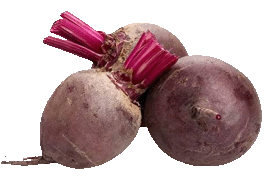
Most standard red beetroot varieties make excellent wine, including:
-
Boltardy
-
Detroit 2 Crimson
-
Pablo F1
-
Cylindra
Avoid very woody, oversized roots, as they can contribute a stronger earthy flavour.
Ingredients
-
4.5–5.5 lb (2.0–2.5 kg) beetroot
-
2.0–2.5 lb (900 g–1.1 kg) white sugar
-
Water (to make up to 1 UK gallon (4.5 L) total volume)
-
Juice of 1 lemon (or 1 tsp acid blend)
-
1 tsp yeast nutrient
-
1 Campden tablet (optional, as the beetroot will be cooked)
-
Wine yeast (half packet recommended):
-
Lalvin D47 (excellent body and mouthfeel)
-
Lalvin 71B (softens the finished wine)
-
EC-1118 (clean, reliable fermentation)
Optional Ingredients
Preparation
-
Wash the beetroot thoroughly to remove all soil.
-
Trim off the leaves and roots.
-
Peel the beetroot.
-
Dice into small cubes.
-
Place in a large saucepan and cover with water.
-
Simmer gently for 30–45 minutes until tender.
Do not boil vigorously, as this can dull both colour and flavour.
Reserve the cooking liquid—it contains much of the colour and flavour needed for the wine.
Making the Must
-
Pour both the cooked beetroot and cooking liquor into a sanitised fermentation bucket.
-
Dissolve the sugar into the hot liquid.
-
Add cool water to make up to 1 UK gallon (4.5 L).
-
Allow the must to cool below 25°C (77°F).
-
Add:
- Cover and leave for 24 hours if Campden was added.
- Add the yeast and stir thoroughly.
Primary Fermentation
-
Ferment with the beetroot pieces for 5–7 days.
-
Stir once daily.
-
Keep the vegetable submerged beneath the liquid.
-
Maintain a fermentation temperature of 18–22°C.
The wine will develop a rich crimson colour within the first few days.
Transfer to Secondary
-
Strain out the beetroot pieces.
-
Allow them to drain naturally.
-
Siphon the wine into a sterilised demijohn.
-
Fit an airlock.
-
Top up with cooled boiled water if required.
Secondary Fermentation
Allow fermentation to continue for approximately 4–6 weeks.
Rack whenever sediment reaches about 1–2 cm.
Clearing & Aging
After fermentation has finished:
Beetroot wine rewards patience:
Expected Results
Tips for Better Beetroot Wine
-
Medium-sized beetroot produces the cleanest flavour.
-
Simmer rather than boil vigorously.
-
Keep the cooking liquor—it provides much of the wine's colour.
-
Lemon juice or acid blend is important because beetroot is naturally low in acidity.
-
D47 yeast produces particularly smooth results.
-
Don't judge the wine too early—its earthy notes mellow considerably with aging.
Common Mistakes to Avoid
-
Using very large woody beetroot.
-
Throwing away the cooking liquor.
-
Skipping the acid addition.
-
Bottling before the wine has fully cleared.
-
Drinking it too young.
About Beetroot Wine
Beetroot wine has been a favourite of British country winemakers since the Victorian era, when homegrown vegetables were often fermented to make use of seasonal gluts. Despite its humble ingredient, it produces one of the deepest coloured vegetable wines and is frequently mistaken for a light red grape wine by those tasting it blind.
The natural sugars and earthy sweetness of beetroot combine with careful fermentation to create a surprisingly refined wine that improves significantly with bottle age.
Serving Suggestions
-
Serve slightly below room temperature (12–14°C)
-
Excellent with roast beef, lamb, and game
-
Pairs beautifully with mature Cheddar and Red Leicester
-
Also complements mushroom dishes and roasted root vegetables
Storage & Aging
-
Improves for up to 4 years
-
Store in a cool, dark place
-
Best drinking window: 1–4 years
-
Benefits greatly from bottle maturation
Frequently Asked Questions
Does beetroot wine taste like beetroot?
Not strongly. While young wines may have a mild earthy character, this softens with age, allowing subtle berry, plum, and spice notes to emerge.
Can I use vacuum-packed cooked beetroot?
Fresh beetroot is strongly recommended. Pre-cooked beetroot often contains preservatives or vinegar, which can affect fermentation and flavour.
Do I need to peel the beetroot?
Yes. Peeling removes any remaining soil and helps produce a cleaner-tasting wine.
Can I roast the beetroot instead of boiling it?
Roasting gives a richer, sweeter flavour, but traditional recipes use simmered beetroot and the cooking liquor for a lighter, cleaner style.
Why add lemon juice?
Beetroot is naturally low in acidity. A little lemon juice or acid blend improves balance and helps create a brighter, fresher-tasting wine.
|