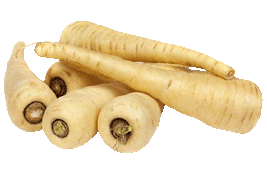
Wine Profile
-
Style: Full-bodied white-style vegetable wine
-
Colour: Deep gold to golden amber
-
Body: Full
-
Sweetness: Dry to off-dry
-
Acidity: Low to medium
-
Alcohol: 11.5–13% ABV
-
Yield: Approximately 1 UK gallon (4.5 L), around 6 × 750 ml bottles
-
Difficulty: Beginner to Intermediate
Harvest Calendar
-
Harvest Season: October – February (UK)
-
Best Picking Time: After one or more frosts, when natural sugars have increased
-
Suitable for Freezing: Yes (freezing mimics the effects of frost)
-
Best Source: Allotments, home gardens, farm shops and local greengrocers
Best Varieties
Most culinary parsnips are suitable, including:
-
Gladiator F1
-
Albion
-
Hollow Crown
-
Javelin F1
-
Tender and True
Parsnips harvested after frost generally produce the sweetest and smoothest wines.
Ingredients
-
4.5–5.5 lb (2.0–2.5 kg) parsnips
-
2.0–2.25 lb (900 g–1.0 kg) white sugar
-
Water (to make up to 1 UK gallon (4.5 L) total volume)
-
Juice of 2 lemons (or 2 tsp acid blend)
-
1 tsp yeast nutrient
-
1 Campden tablet (optional, as the parsnips will be cooked)
-
Wine yeast (half packet recommended):
-
Lalvin D47 (highly recommended for body and complexity)
-
Lalvin 71B (produces a softer finish)
-
EC-1118 (clean and dependable)
Optional Ingredients
-
Zest of 1 unwaxed lemon (avoid the white pith)
-
Small piece of fresh ginger
-
½ tsp wine tannin
-
150 g raisins (traditional addition for body)
-
1 tsp glycerine after fermentation
Preparation
-
Wash the parsnips thoroughly.
-
Peel if the skins are coarse or damaged.
-
Slice into thin rounds or small cubes.
-
Place into a large saucepan and cover with water.
-
Simmer gently for 40–45 minutes, until tender.
Avoid over-boiling, which can produce a cloudy wine.
Retain all of the cooking liquor, as it contains much of the flavour and natural sugars.
Making the Must
-
Transfer the cooked parsnips and cooking liquor into a sanitised fermentation bucket.
-
Dissolve the sugar into the hot liquid.
-
Add the lemon juice (or acid blend).
-
Top up with cool water to reach 1 UK gallon (4.5 L).
-
Allow the must to cool below 25°C (77°F).
-
Add:
-
Cover and leave for 24 hours if Campden was added.
-
Add the yeast and stir thoroughly.
Primary Fermentation
-
Ferment with the parsnip pieces for 5–7 days.
-
Stir once daily.
-
Keep the vegetables submerged.
-
Maintain a temperature of 18–22°C.
The must will develop a pleasant sweet, earthy aroma during fermentation.
Transfer to Secondary
-
Strain out the parsnip pieces.
-
Allow them to drain naturally.
-
Siphon the wine into a sterilised demijohn.
-
Fit an airlock.
-
Top up if necessary with cooled boiled water.
Secondary Fermentation
Allow fermentation to continue for approximately 4–6 weeks.
Rack whenever sediment reaches around 1–2 cm.
Clearing & Aging
Once fermentation is complete:
Parsnip wine is famous for improving with age:
Expected Results
Tips for Better Parsnip Wine
-
Harvest after frost for the sweetest flavour.
-
If fresh frosted parsnips are unavailable, freeze them for several days before use.
-
Keep the cooking liquor—it contains valuable flavour and sugars.
-
Raisins provide excellent body without overpowering the wine.
-
D47 yeast produces exceptional mouthfeel and complexity.
-
Resist drinking the wine too early—it improves dramatically with bottle age.
Common Mistakes to Avoid
-
Using very old woody parsnips.
-
Discarding the cooking liquor.
-
Forgetting the acid addition.
-
Over-boiling the vegetables.
-
Bottling before the wine has fully cleared.
-
Drinking it before it has matured.
About Parsnip Wine
Parsnip wine has been produced in Britain for centuries and is often regarded as the finest of all vegetable wines. Traditionally brewed during the winter from frost-sweetened roots, it became especially popular among allotment gardeners looking to make use of abundant harvests.
The cooking process extracts natural sugars, colour and flavour while reducing the earthy characteristics associated with fresh parsnips. The result is a remarkably refined wine that develops notes of honey, dried apricot, vanilla and gentle spice as it matures.
Many experienced home winemakers rank parsnip wine alongside the very best traditional country wines.
Serving Suggestions
-
Serve lightly chilled (10–12°C)
-
Excellent with roast chicken, pork and turkey
-
Pairs beautifully with creamy cheeses
-
Complements rich fish dishes and buttery sauces
-
Wonderful with apple-based desserts
Storage & Aging
-
Improves for up to 5 years
-
Store in a cool, dark place
-
Best drinking window: 2–5 years
-
One of the longest-aging vegetable wines
Frequently Asked Questions
Does parsnip wine taste like parsnips?
No. After fermentation and aging, the distinctive vegetable flavour largely disappears, leaving a rich, smooth wine with honeyed and fruity notes.
Why are frosted parsnips better?
Exposure to frost converts some of the starches into sugars, producing a sweeter and more complex wine.
Can I freeze parsnips instead of waiting for frost?
Yes. Freezing mimics the natural effects of frost and is a good alternative.
Do raisins make a difference?
Yes. They add body and improve mouthfeel without noticeably affecting the flavour.
How long should I age parsnip wine?
At least 9 months, but 12–24 months is ideal. It continues to improve for several years
|